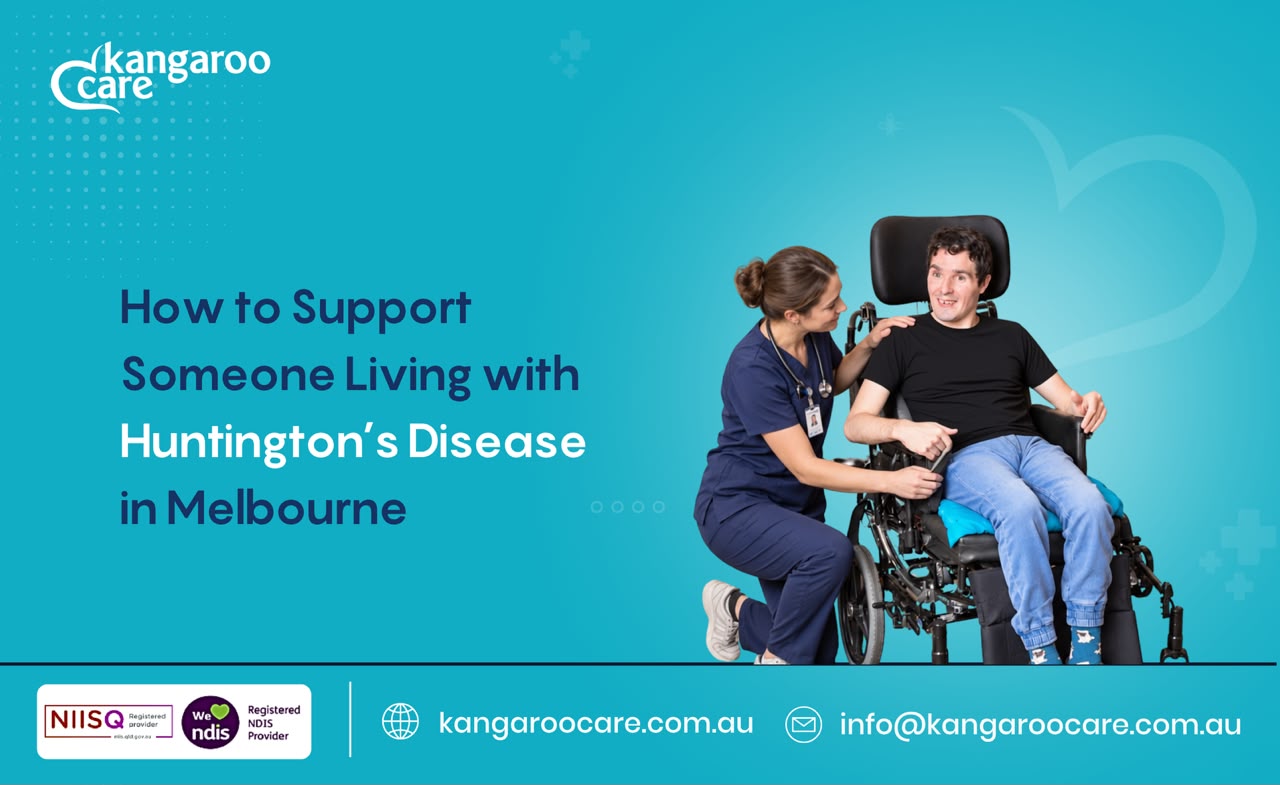
Huntington’s disease can cause a range of changes to motor skills, speech, cognitive abilities and day-to-day functioning for those living with this condition. This can cause everyday tasks like getting changed, cooking, walking around the house and talking to become more challenging.
For families looking for Huntington’s Disease Support Melbourne, understanding the available care options is an important first step. Suitable disability support can help individuals manage daily challenges, maintain social connections and receive assistance based on their changing needs.
Effective support can be provided by knowing what support they need, creating a comfortable environment, providing independence and consistent support.
Understanding the Everyday Challenges of Huntington’s Disease
Huntington’s disease is an inherited neurological condition that affects the brain. It can cause changes in movement, thinking, behaviour and emotional wellbeing. Symptoms and their progression vary from person to person.
Some common challenges include:
- Involuntary movements and difficulty with coordination.
- Problems with balance and walking.
- Changes in speech and communication.
- Difficulty concentrating and making decisions.
- Changes in mood and behaviour.
- Challenges with personal care and household activities.
- Difficulty swallowing in some stages of the condition.
Understanding these difficulties helps families and support workers provide assistance that matches the person’s abilities and preferences.
1. Provide Assistance with Personal Care
Personal care can become more difficult when a person experiences reduced coordination, muscle stiffness or changes in balance.
Activities such as bathing, dressing, grooming and using the toilet may require additional time or physical assistance.
Support workers and carers can make these routines easier by:
- Providing help with showering and personal care
- Help with changing and grooming
- Providing easy access to personal items
- Allowing enough time to complete tasks
- Respecting their privacy and personal preferences
- Encouraging them to complete tasks they are able to do.
When seeking personal care support in Melbourne it is important to provide support that respects their preferences.
Creating a routine can help make personal care easier. Try to provide the right amount of help to help them remain independent.
2. Make Communication Easier
Due to speech and communication issues people living with Huntington’s disease can find everyday communication difficult. They may take longer to reply, have trouble finding the right words or struggling to express their needs.
Using simple communication methods can help:
- Speak clearly and use short simple sentences.
- Allow them enough time to reply.
- Don’t try to cut them off or finish their sentences.
- Ask one question at a time.
- Give them simple options.
- Use gestures, pictures and communication tools
For example, instead of asking, “What would you like to eat today?”, offer two choices such as, “Would you prefer rice or pasta?”
Most importantly keep them involved in conversations and decisions. Don’t let them feel like they aren’t being heard due to their communication issues.
3. Support Safe Movement and Mobility
Uncontrolled movements, balance issues and reduced coordination can make walking challenging. Creating a safe environment can help reduce any risks they face during everyday tasks.
Try to:
- Keep walkways clear of extra furniture.
- Remove loose rugs.
- Ensure rooms and hallways are well lit.
- Install appropriate rails.
- Ensure items they use regularly are easily accessible.
- Use recommended mobility equipment.
Some individuals may benefit from physiotherapy, occupational therapy or mobility aids depending on their functional needs.
For people accessing disability support services in Melbourne, assistance with everyday mobility should follow individual care plans and professional recommendations.
4. Encourage Independence Through Daily Activities
Independence is important to help build their confidence, dignity and overall wellbeing.
While they may struggle with certain tasks, they should still be encouraged to do things they enjoy.
They may be able to:
- Choose what they wear.
- Help with simple household tasks.
- Choose what they want to eat and snack on.
- Do hobbies they enjoy.
- Make decisions about their day.
- Attend suitable social activities.
Breaking down tasks can help them. Support workers should know when to help and when they need more time
5. Provide Appropriate Meal and Eating Assistance
As the condition progresses, eating and drinking can become challenging. Some may struggle with swallowing, coordination and maintaining a healthy weight. Always consider their individual needs and professional recommendations when providing eating support.
Some helpful tips can include:.
- Creating a calm and comfortable eating environment.
- Allowing sufficient time for meals.
- Reducing distractions during mealtimes.
- Following dietary and swallowing recommendations.
- Providing assistance with meal preparation.
- Monitoring changes in eating habits and reporting concerns.
If they are coughing, choking or struggling to swallow they should be assessed by the correct healthcare professional. Carers should follow the recommended swallowing and eating plan.
6. Maintain Emotional Wellbeing and Social Connections
Huntington’s disease can impact their emotional wellbeing and social interactions. Some may suffer from anxiety, depression, irritability and changes in motivation.
Consider their emotional needs when providing support.
Families and support workers can help by:
- Keeping regular contact.
- Encouraging them to do things they enjoy.
- Supporting them to see friends and family.
- Creating a consistent routine.
- Respecting their choices and feelings.
- Providing opportunities for them to engage with the community.
For individuals looking for community participation support in Melbourne, suitable assistance can make it easier to attend social activities, visit local places and maintain important relationships.
It is also important to recognise when someone may need additional emotional or mental health support from qualified professionals.
7. Create a Consistent Daily Routine
Memory, concentration and decision making can become challenging. Creating a consistent routine can help reduce confusion.
A simple routine could include:
- Morning personal care and breakfast.
- Planned household tasks.
- Breaks throughout the day.
- Appropriate physical/recreational activities.
- Socialising and spending time with family.
- Regular evenings.
Visual timetables, reminders and labelled storage can help them with familiar tasks. However, keep the routine flexible as their energy levels, abilities and preferences may vary from day to day
8. Understand the Changing Needs of Families and Carers
Supporting someone with Huntington’s disease can be physically and emotionally demanding for families.
As the condition progresses they may need more support with personal care, mobility, communication and household tasks.
Families shouldn’t feel like they need to do everything themselves.
Depending on individual circumstances, additional assistance may include personal care, household support, community participation, respite-related services and other disability support arrangements.
Taking breaks, sharing the workload and receiving the correct support can help carers to look after their own wellbeing while supporting their loved one
Finding the Right Disability Support Services in Melbourne
Those living with Huntington’s disease may require different levels of support. Receiving the correct disability support services in Melbourne can help eligible individuals receive support with personal care, household tasks, mobility and community engagement.
When choosing an NDIS provider in Melbourne, families should consider:
- Whether the provider understands individual support requirements.
- Whether support is planned around personal goals and preferences.
- Whether support workers have suitable training for the tasks they perform.
- Whether communication with families and participants is clear.
- Whether services can adapt when support requirements change.
The correct support should focus on keeping them comfortable, safe, respectful and independent.
How Can NDIS Support Help People with Huntington’s Disease?
For eligible individuals, the National Disability Insurance Scheme (NDIS) may fund disability-related assistance based on permanent impairment, functional impact and approved plan funding.
Depending on individual circumstances, Huntington’s Disease Support Melbourne may involve different types of assistance, including:
Personal Care Assistance
Help with bathing, dressing, grooming and other daily personal activities.
Daily Living Assistance
Support with meal preparation, household tasks, cleaning and maintaining everyday routines.
Community Participation
Assistance to attend appointments, visit social spaces and participate in recreational activities.
Mobility and Daily Living Support
Assistance with everyday movement and activities, following relevant professional recommendations and individual care plans.
Supported Independent Living
For eligible participants with appropriate home and living needs, assistance with everyday activities in a shared living arrangement.
A diagnosis of Huntington’s disease doesn’t guarantee they will be eligible for the NDIS. They will be assessed on how their permanent impairment impacts their everyday functions. They must also meet age and residency requirements.
How Kangaroo Care Supports Individuals in Melbourne
Every person living with Huntington’s disease has different abilities, preferences and support requirements. Providing the right assistance means understanding these differences and adapting care accordingly.
Kangaroo Care provides NDIS disability support services in Melbourne and Brisbane, with a focus on individual needs, daily living assistance and community participation.
Depending on participant requirements, approved funding and service availability, support may help individuals with:
- Personal care and everyday routines.
- Household tasks and daily living activities.
- Accessing community and social activities.
- Assistance with suitable living arrangements.
- Coordinating disability-related services where funded.
For families looking for an NDIS provider in Melbourne, Kangaroo Care aims to provide person-centred assistance that respects participants’ choices, encourages independence and recognises their changing requirements.
We aim to make everyday tasks easier to complete while keeping them respectful, comfortable and independent.
FAQ
1. What daily assistance might someone with Huntington’s disease need?
Depending on how their condition is impacting them a person may need help with personal care, cooking, mobility, communication, household tasks and community engagement
2. How can family members support someone with Huntington’s disease?
Families can help by keeping routines consistent, encouraging independence, having patience with communication, creating a safe environment and providing the correct professional support.
3. Can people with Huntington’s disease continue living independently?
Some individuals can live independently with correct adjustments and support. However, they may require extra support in their home or alternative living arrangements…
4. Can people with Huntington’s disease access NDIS services in Melbourne?
They may be eligible for NDIS services in Melbourne if they meet the scheme’s access requirements. Eligibility depends on permanent impairment, its impact on everyday functioning, and other age and residency requirements.
5. How do I choose an NDIS provider in Melbourne for Huntington’s disease?
Look for a provider that understands individual support needs, offers suitable daily living assistance and respects the participant’s preferences, dignity and independence.
6. What role do support workers play in Huntington’s disease care?
Support workers can help with personal tasks, household tasks, community engagement and daily tasks. The assistance should be done according to their preferences, care plan and relevant professional recommendations.
7. Why is a consistent routine important for someone with Huntington’s disease?
A familiar routine can make everyday activities easier to follow, reduce the need for repeated decisions and provide a sense of structure and comfort.
8. Does Kangaroo Care provide disability support in Melbourne?
Kangaroo Care provides NDIS disability support services in Melbourne and Brisbane. The suitability and availability of specific services depend on individual needs and service arrangements.
Final Thoughts
Supporting someone with Huntington’s disease can be challenging. You will need to be patient, understanding and flexible. As their motor skills, communication and daily living skills change their support needs may change.
Making small adjustments, providing consistent routines and individualised support can help them with everyday tasks while keeping them respectful and independent
For families exploring Huntington’s Disease Support Melbourne, the right combination of family involvement, professional guidance and disability support services can help people continue participating in meaningful activities and maintaining important relationships.
Kangaroo Care aim to support individuals by providing individualised disability support in Melbourne and Brisbane. We focus on supporting their everyday needs and goals.