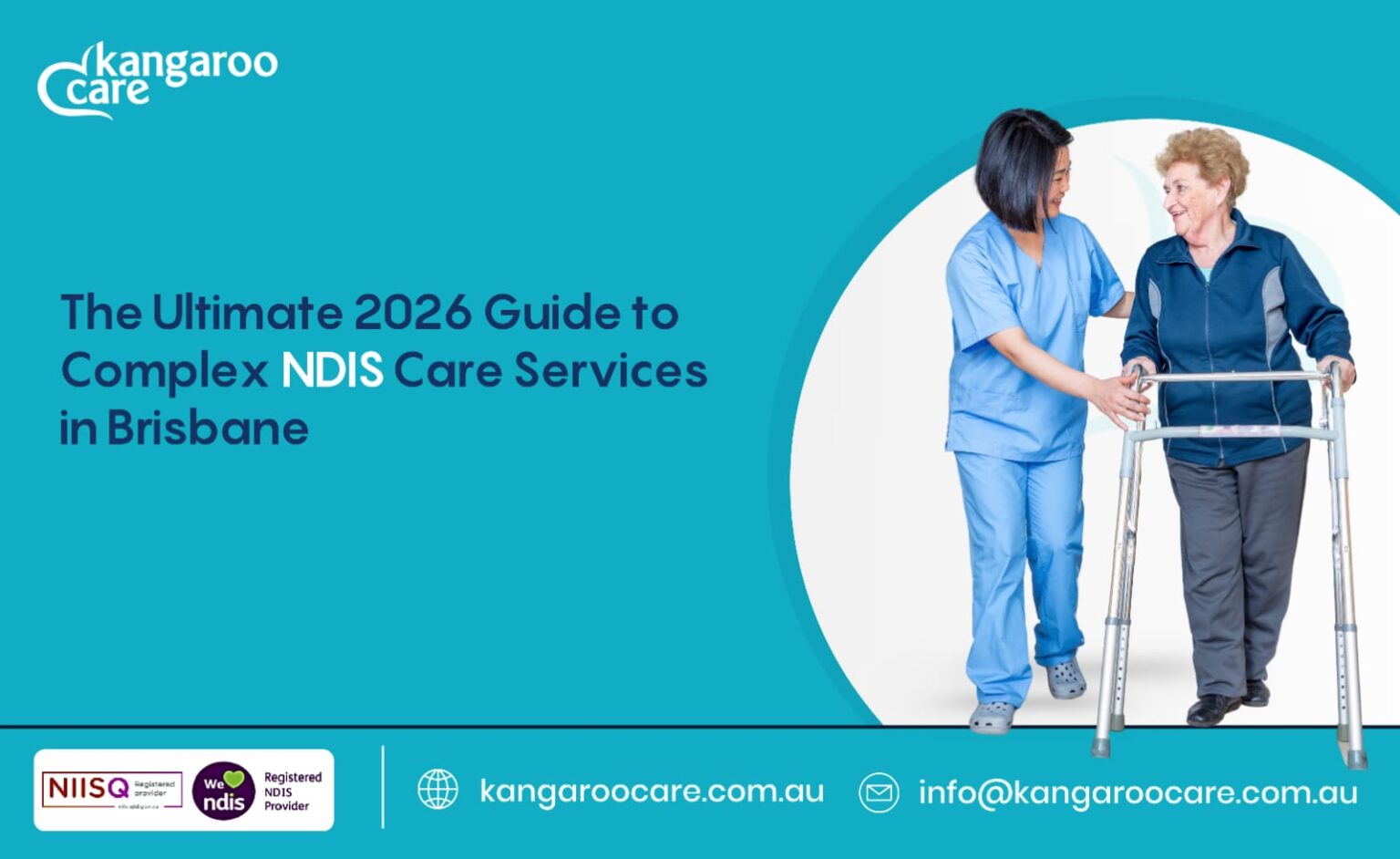
As participant needs under the NDIS (National Disability Insurance Scheme) continue to evolve, Complex NDIS Care Services in Brisbane are becoming increasingly vital. Participants with high-intensity needs, dual diagnoses, challenging behaviours, or significant medical requirements require more than standard disability support – they need structured, clinical, and trauma-informed care.
This 2026 guide explains what complex NDIS care really means, who it’s for, and how to choose the right Complex Care NDIS Provider in Brisbane.
What Is Complex NDIS Care?
Complex NDIS care refers to specialised disability support designed for participants with high and multiple support needs. These participants often require coordinated care involving skilled support workers, clinical oversight, and behaviour management strategies.
Complex care typically includes:
- NDIS High Intensity Support
- Support for dual diagnosis (mental health + disability)
- Trauma-informed care models
- Behaviour support implementation
- Medical and personal care supports
Unlike general disability support, Complex NDIS Care Services in Brisbane focus on stability, safety, and long-term outcomes rather than short-term assistance.
Who Needs Complex NDIS Care Services in Brisbane?
Complex care is suitable for participants who experience:
- Challenging or high-risk behaviours
- Psychosocial disability or severe mental health conditions
- Autism with high support needs
- Intellectual disability with behavioural concerns
- Medical complexity requiring trained staff
Many standard providers decline such participants due to the level of responsibility involved. However, specialised Complex Care NDIS Providers in Brisbane are equipped to manage these needs safely and effectively.
Key Components of Quality Complex NDIS Care
1. Skilled & Trained Support Workers
Complex care requires staff trained in:
- High-intensity daily personal activities
- Behaviour de-escalation techniques
- Medication support
- Trauma-informed care principles
2. Individualised Care Plans
Every participant receives a customised care plan aligned with their NDIS goals, behaviour support plan, and health requirements.
3. Behaviour Support Integration
Effective Complex NDIS Care Services in Brisbane work closely with behaviour support practitioners to ensure consistent, ethical, and proactive support.
4. Clinical Oversight
Clinical supervision ensures participant safety, staff accountability, and compliance with NDIS Practice Standards.
Read more about: Transitioning from a Standard NDIS Provider to a Complex Care Specialist: Insights from a Registered NDIS Provider Brisbane
Why Complex NDIS Care Is Critical in 2026
By 2026, the NDIS has placed stronger emphasis on:
- Participant safety and safeguarding
- Provider accountability
- Evidence-based care models
- Reduction of restrictive practices
This means participants and their families must choose providers who are genuinely equipped to deliver Complex Care NDIS services in Brisbane, rather than providers that offer generic, one-size-fits-all support.
Challenges Without the Right NDIS Provider
Without access to the right complex care provider, participants may experience:
- Frequent placement breakdowns
- Increased hospital admissions
- Inconsistent support staff
- Emotional distress and instability
- Limited progress toward NDIS goals
Choosing a specialised Complex NDIS Care Provider in Brisbane can dramatically improve quality of life, independence, and emotional wellbeing.
How to Choose the Right Complex NDIS Care Provider in Brisbane
When selecting a provider, look for:
- Registered NDIS Provider status
- Experience with high-intensity and complex participants
- Strong behaviour support framework
- Trauma-informed care approach
- Clear communication with families and support coordinators
A reliable provider doesn’t avoid complexity – they are prepared for it.
Benefits of Specialist Complex NDIS Care Services
Participants receiving appropriate complex care often experience:
- Improved emotional regulation
- Reduced behavioural incidents
- Greater consistency in daily routines
- Stronger therapeutic relationships
- Improved long-term independence
Families also benefit from peace of mind, knowing their loved one is supported by professionals who understand complexity.
The Future of Complex NDIS Care in Brisbane
As Brisbane continues to grow, the demand for high-quality Complex NDIS Care Services is rising. Participants and families increasingly expect care that is ethical, clinically informed, and truly person-centred, especially for individuals with high and complex support needs.
Looking toward 2026 and beyond, providers who invest in skilled staff, strong safeguarding practices, and evidence-based approaches will lead the way. By prioritising safety, training, and quality outcomes, these providers will set the standard for the future of disability support in Brisbane.
FAQs
1.What is the difference between standard NDIS support and complex NDIS care?
Standard NDIS support focuses on daily assistance, while complex NDIS care addresses high-risk behaviours, medical needs, and psychosocial challenges with specialised training and oversight.
2. Who qualifies for Complex NDIS Care Services in Brisbane?
Participants with high-intensity needs, challenging behaviours, dual diagnoses, or medical complexity may require complex care, depending on their NDIS plan.
3. Are Complex NDIS Care Providers registered?
Yes, reputable Complex Care NDIS Providers in Brisbane are registered and compliant with NDIS Practice Standards.
4. Does complex care include behaviour support?
Yes. Behaviour support is a core component of effective complex NDIS care and is delivered in collaboration with qualified practitioners.
5. Can complex NDIS care reduce hospital admissions?
When delivered correctly, complex care can significantly reduce crisis events and hospital visits by providing consistent, preventative support.
6. How do I find the right Complex NDIS Care Provider in Brisbane?
Work with your support coordinator, review provider experience, and ensure the provider has proven expertise in high-intensity and complex support needs.