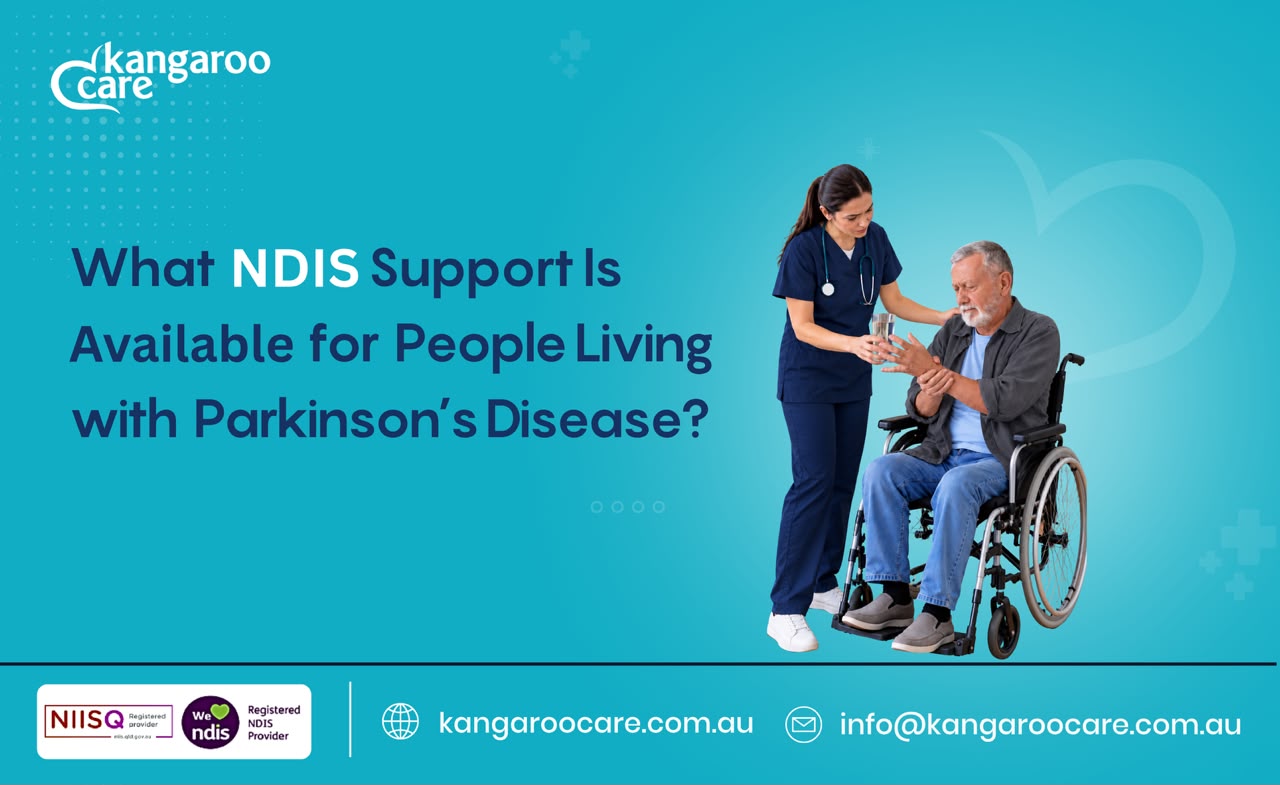
Parkinson’s disease can change a person’s life in ways they may not expect. From basic daily tasks to making decisions about everyday routines, the condition can make things that once felt simple more difficult. Getting dressed may take longer. Preparing breakfast can become tiring. A walk to the shops that once felt effortless may require more planning. Over time, slower movement and balance difficulties can start affecting normal day-to-day activities.
These changes do not look the same for everyone. Some people continue working and managing most daily tasks independently, while others gradually need more help at home or when going out.
Parkinson’s Australia estimates that more than 150,000 Australians are living with the condition, with around 50 people diagnosed each day. Each person has different symptoms, routines and support needs, so the assistance they require can vary considerably.
For eligible participants, the National Disability Insurance Scheme (NDIS) may fund disability-related assistance based on their functional needs and approved plan. If you are exploring NDIS support Brisbane, understanding the available options can help you decide what kind of assistance may suit your circumstances and whether Kangaroo Care may be able to help.
Sources: Parkinson’s Australia statistics and official NDIS disability requirements.
What Does Parkinson’s Disease Mean for Everyday Life?
Parkinson’s is a progressive neurological condition that affects movement. However, its effects can go beyond tremors and muscle stiffness. A person may experience slower movements, balance problems, changes in speech, fatigue, sleep difficulties or changes in thinking and mood.
Sometimes, it is not one major difficulty that makes daily life harder. It is several smaller challenges happening together.
For example, a person may be able to shower independently but struggle to fasten buttons or prepare a meal afterwards. Someone else may manage well at home but find it difficult to get to appointments, shop for groceries or meet friends without assistance.
The support needed may also change as the condition progresses. What matters is understanding which activities the person can manage, where they need help and what they want to continue doing independently.
What NDIS Support for Parkinson’s May Include
The NDIS may fund reasonable and necessary disability-related support for people who meet its access requirements. The type of assistance available depends on the person’s functional limitations, goals, circumstances and approved funding.
Some possible supports include:
Assistance with personal care: Help with showering, dressing, grooming and other daily activities when movement difficulties make them harder to manage.
Household assistance: Help with eligible household tasks such as cleaning, laundry and meal preparation.
Community participation: Assistance to attend appointments, visit friends, pursue hobbies or take part in local activities.
Assistive technology: Equipment or other approved solutions that help address disability-related needs and make everyday activities safer or easier.
Therapy and capacity building: Suitable funded supports may help participants develop strategies for daily activities, work towards functional goals and maintain their living skills.
Not every service related to Parkinson’s disease is covered by the NDIS. Medical treatment and other mainstream healthcare generally remain the responsibility of the health system. The NDIS focuses on eligible disability-related support needs.
How Can NDIS Support Workers in Brisbane Help?
When everyday activities become difficult, support workers can help a person continue managing their routine without having to do everything alone.
The aim is not to take over every task. It is to provide assistance where it is needed while allowing the person to make their own choices and do as much as they can safely manage.
Depending on the participant’s approved plan and support arrangements, a worker may help with:
- Getting ready in the morning, including dressing and personal care.
- Preparing meals and managing household tasks.
- Carrying out everyday activities in line with the person’s support plan.
- Attending appointments and participating in community activities.
- Maintaining social connections and familiar routines.
- Following agreed support instructions and relevant safety procedures.
Consider someone who takes longer to get dressed because of stiffness. A support worker may help with buttons or other difficult tasks while allowing the person to finish the rest of their routine independently. This gives them assistance without taking away control over their day.
Support workers must work within their training and responsibilities. Clinical tasks should only be carried out by appropriately qualified or trained workers where required.
Read more: Generalist vs Specialist NDIS Providers in Brisbane: Clinical Outcomes Compared
What Daily Living Support Can Look Like at Home
Daily living support should fit into the person’s actual routine rather than follow the same arrangement for everyone.
For someone living with Parkinson’s disease, assistance at home may include:
- Personal care: Help with bathing, dressing, grooming or hygiene when needed.
- Meal preparation: Assistance with preparing food and managing kitchen tasks.
- Household routines: Help with laundry, cleaning and other eligible domestic activities.
- Planning daily activities: Organising tasks around the person’s abilities, preferences and energy levels.
- Getting out of the house: Assistance with shopping, appointments and social activities.
One person may need help for a few hours on certain mornings. Another may need regular assistance throughout the week because several daily activities have become difficult.
The level of support should depend on the person’s needs, not simply on their diagnosis. The purpose is to make daily life more manageable while respecting their privacy, dignity and preferences.
Can the NDIS Fund In-Home Disability Support in Brisbane?
Yes, eligible participants may be able to use their approved NDIS funding for in-home support that addresses their disability-related needs.
For someone living with Parkinson’s, staying in a familiar environment may be important. Having help with certain tasks can make it easier to maintain existing routines and continue doing the things they enjoy.
Depending on the person’s plan, in-home assistance may include personal care, meal preparation, household tasks and support with everyday living skills.
The amount of assistance required can vary. Someone who manages most activities independently may need only occasional help, while a person with greater functional limitations may require more frequent support.
However, NDIS funding does not automatically cover every household expense, rent, accommodation cost or general living expense. The support must meet the relevant funding requirements and align with the participant’s circumstances and plan.
If daily activities become harder or existing support is no longer enough, the participant can explore whether their arrangements need to be reviewed.
When Might Someone Need Complex NDIS Support in Brisbane?
Parkinson’s disease does not automatically mean someone needs complex care. However, some people may have additional disabilities, significant functional limitations or several support needs that require more specialised arrangements.
For example, a person experiencing substantial mobility difficulties may also need regular assistance with personal care. Another person may require coordination between disability support workers, family members and healthcare professionals to ensure their support arrangements remain suitable.
Depending on the person’s circumstances, more complex support may involve:
- More frequent or specialised assistance with daily activities.
- Workers with relevant training for particular support requirements.
- Clinical oversight where the nature of the support calls for it.
- Coordination between disability providers and healthcare professionals.
- Assistive technology or home modifications, where eligible and approved.
Complex support does not automatically mean 24-hour care or a particular level of NDIS funding. The arrangements depend on the person’s needs and the applicable funding requirements.
If their functional abilities or support needs change significantly, they can discuss those changes with the appropriate NDIS contact and explore whether a plan reassessment is needed.
What Should You Look for in a Registered NDIS Provider in Brisbane?
Choosing a registered NDIS provider in Brisbane involves more than finding one that offers a particular service. The support should suit the person’s routine, preferences and goals.
Before making a decision, it is worth asking a few practical questions.
- Do they understand the person’s needs? Explain which daily activities have become difficult and ask how the provider would approach them.
- Are the workers appropriately trained? Check whether staff have the skills and experience required for the support being delivered.
- Will the person’s choices be respected? The participant should be involved in decisions about their support wherever possible.
- How do they communicate? Ask how changes, concerns and feedback will be handled.
- Can the arrangements change when needed? Discuss what happens if the person’s routine or support requirements change.
It is also important to check a provider’s registration status where relevant to the services offered and the way the participant’s NDIS funding is managed. When comparing options for Brisbane NDIS support, look at the services actually available rather than relying on a provider’s description alone.
How Can Kangaroo Care Support People Living with Parkinson’s Disease?
Living with Parkinson’s can make everyday activities harder, but the assistance required will depend on the person. Some may need help with personal care and household tasks, while others may need support to get out into the community and maintain their usual routines.
Kangaroo Care provides NDIS services in Brisbane, including assistance with daily living, household tasks, community participation and support coordination, alongside other services within its offering.
For participants with more specialised needs, Kangaroo Care also offers high-intensity and clinical support services where appropriate. These services are intended for people whose individual requirements call for that level of assistance; not everyone living with Parkinson’s will need them.
As a registered NDIS provider in Brisbane, Kangaroo Care can discuss the person’s support requirements and help clarify which services may be available and appropriate for their circumstances and NDIS plan.
For families exploring NDIS support Brisbane, the first step is to explain what has become difficult, what the person wants to continue doing independently and what assistance they are looking for.
What Affects NDIS Eligibility for Someone With Parkinson’s Disease?
A diagnosis of Parkinson’s disease does not automatically qualify someone for the NDIS. Applicants must meet the relevant age and residency rules, along with the applicable disability or early intervention requirements.
Under the disability requirements, the NDIS considers whether a person has an impairment that is likely to be permanent and substantially reduces their functional capacity in relevant areas of everyday life. These areas include mobility, communication, social interaction, learning, self-care and self-management.
Evidence may need to explain how the condition affects the person in practical terms. Can they manage personal care, move around safely, organise everyday activities or participate in social life without significant difficulty?
Information from treating professionals can help explain the condition, its functional effects and the person’s support needs. Understanding NDIS eligibility for Parkinson’s therefore means looking at how the condition affects everyday functioning, not just confirming the diagnosis.
If someone does not meet the NDIS access requirements, other health, community or support services may be available depending on their circumstances.
Need Help Exploring Disability Support in Brisbane?
If Parkinson’s disease is making daily activities harder for you or a family member, you do not have to work out the available support options alone.
Kangaroo Care can discuss your circumstances, the assistance you are looking for and whether its services may be suitable for your needs and NDIS plan.
If you are looking for a registered NDIS provider in Brisbane, contact Kangaroo Care to discuss available services, ask questions about your support needs and explore the next steps towards finding appropriate disability support.
FAQs
1. Can people with Parkinson’s disease receive NDIS funding?
Yes, they may be eligible if they meet the relevant NDIS access requirements. Eligibility depends on the functional impact of the impairment and the applicable criteria, not simply on the diagnosis.
2. What support is available for Parkinson’s disease through the NDIS?
Depending on eligibility and the approved plan, supports may include personal care, household assistance, community participation, assistive technology and suitable therapy or capacity-building supports.
3. Can NDIS support workers help with personal care?
Yes. Where the support is funded and agreed upon, a support worker may assist with showering, dressing, grooming and other daily activities. The assistance provided should reflect the participant’s needs and preferences.
4. Does the NDIS pay for Parkinson’s medication and medical treatment?
Generally, no. Medication and medical treatment are usually managed through the mainstream health system. The NDIS may fund eligible disability-related supports that help a participant manage everyday activities.
5. Does Parkinson’s disease automatically qualify someone for the NDIS?
No. Applicants must meet the applicable access requirements and provide evidence of the relevant impairment and its impact on everyday functioning.
6. Can people with Parkinson’s receive support at home?
Eligible participants may receive approved in-home assistance with daily activities, personal care and household tasks. The type and frequency of support depend on their functional needs and NDIS plan.
7. How can I choose a suitable NDIS provider in Brisbane?
Check provider registration where relevant, ask about available services and staff training, and discuss how the provider would address the participant’s needs. It is also worth confirming service availability and how support arrangements can adapt if those needs change.